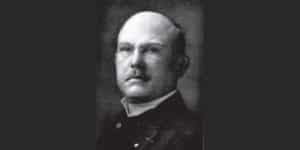
Zig Ziglar: biography, quotes, books, and core ideas

Zig Ziglar - Toolshero

Zig Ziglar was one of the most influential voices in sales, motivation, and personal development. He is best known as a sales trainer, motivational speaker, and author of See You at the Top. His work focused on clear goals, daily discipline, and genuine attention to other people. That practical approach gave many professionals direction, structure, and motivation.

In this article, you will discover who Zig Ziglar was, how he grew from salesperson into a globally known speaker and trainer, and why his work still resonates today. You will also learn more about his best known book, See You at the Top, his role as a sales trainer, his core ideas, and the practical value of his approach. Enjoy reading!

Who is Zig Ziglar? His biography

Early years

Zig Ziglar was born on November 6, 1926, in Coffee County, Alabama. He was the tenth of twelve children born to Lila Wescott Ziglar and John Silas Ziglar. When he was still young, the family moved to Yazoo City, Mississippi, where his father worked as a manager.

His early life was marked by hardship. When Zig was still a child, both his father and a younger sister died within a short period. As a result, his mother had to raise a large family with limited financial means. Zig later spoke with deep respect about her perseverance, values, and determination. Those early experiences shaped his view on responsibility, work ethic, and character.

As a boy, Zig took on small jobs to help support the family. He sold peanuts and later worked in a grocery store. These early experiences gave him a strong sense of discipline and service, themes that would return throughout his later work.

After high school, he served in the United States Navy during World War II. He later attended the University of South Carolina in Columbia and started working part time as a salesperson for WearEver Aluminum Company. It was there that he developed his sales skills and discovered how much he enjoyed helping, persuading, and working with people.

Zig often credited his early growth in sales to the encouragement of supervisor P.C. Merrell. Merrell saw potential in him and pushed him to aim higher. Zig responded by working hard, improving his skills, and moving forward in his sales career. In the decades that followed, he built a strong reputation in sales and gradually became known for his ability to motivate others.

In 1944, Zig met his future wife Jean. They married two years later and eventually had four children. Throughout his career, Zig Ziglar often stressed the importance of family life and personal stability. In his view, long term success was closely connected to values at home as well as discipline at work.

Motivational speaker

In the 1960s and 1970s, Zig Ziglar increasingly shifted his focus from sales to public speaking and training. He became involved in seminar work and helped improve the public image of professional selling. His talks attracted salespeople, entrepreneurs, advisers, and other professionals who were looking for practical ways to improve their results and mindset.

Zig quickly stood out because of his energetic speaking style, memorable one liners, and ability to translate motivation into everyday action. He did not present motivation as something vague or temporary. Instead, he linked it to habits, discipline, and personal responsibility. One of his best known statements reflects that approach: “People often say that motivation doesn’t last. Well, neither does bathing. That’s why we recommend it daily.”

During his rise as a speaker, he also wrote See You at the Top, the book that would become one of his best known works. The manuscript was rejected by many publishers before it was finally accepted. That story fitted his message well: persistence matters, especially when the first response is no. Over time, the book reached a wide audience and remained one of the titles most closely associated with his name.

In 2001, Zig Ziglar received the Cavett Award from the National Speakers Association. This is one of the most respected recognitions in professional speaking and is awarded to speakers who make a lasting contribution by supporting, teaching, and encouraging others in the field.

Coach Zig Ziglar

Zig Ziglar also became known as a sales trainer and coach for major organisations, including Mary Kay Cosmetics. In addition, he served as vice president and director of education at the Automotive Performance Company in Dallas, Texas. These roles helped strengthen his reputation as someone who could not only sell effectively himself, but also teach others how to grow in confidence, communication, and performance.

After setbacks in business, Zig remained active as a speaker and trainer. In the years that followed, he continued to appear at seminars and motivational events, where he shared practical lessons on sales, attitude, discipline, and personal development. This long period of visibility helped him build a lasting influence across both business and self development audiences.

Final years

After a serious fall in 2007, Zig Ziglar experienced memory problems. Even so, he remained involved in speaking and seminars for several more years. His continued presence showed how strongly he stayed committed to the work that had defined much of his life.

He eventually retired in 2010. Zig Ziglar spent his final years in Plano, Texas, with his wife Jean. He died on November 28, 2012, after a brief struggle with pneumonia, at the age of 86. His death came just two days after the couple’s 66th wedding anniversary.

What is Zig Ziglar’s method in practice?

Zig Ziglar’s method in practice is about turning motivation into consistent action. He did not see motivation as something you feel once and then automatically keep. In his view, progress grows when people connect a clear goal to daily behaviour. That is what makes his approach practical. It gives direction, but also asks for repetition, structure, and personal effort.

In everyday life, this starts with making goals specific. A general wish such as “I want to do better” sounds positive, but it gives little guidance. Zig Ziglar’s approach works more effectively when a goal becomes concrete. That may mean improving sales conversations, becoming more confident in meetings, preparing more carefully for customer contact, or building stronger routines during the workday. Once the goal is clear, it becomes easier to decide what actions support it.

A second practical part of his method is daily discipline. Zig Ziglar believed that meaningful progress rarely comes from one big moment. It usually comes from small actions that are repeated with consistency. Think of reviewing priorities at the start of the day, preparing for an important conversation, reflecting on what went well, and adjusting one thing for the next attempt. These habits create rhythm. They also make progress less dependent on mood, pressure, or temporary motivation.

His method can also be seen in the way people use language during work and development. Ziglar often pointed out that self talk influences behaviour. Someone who keeps saying “I’m not ready for this” is more likely to hesitate or stop. Someone who says “I’m learning how to do this better” is more likely to keep going. In practice, this does not mean ignoring problems. It means choosing language that supports action, learning, and persistence.

Another practical element is the way Zig Ziglar connected results to trust. He argued that lasting success often starts with helping other people move forward. That idea can be applied in sales, leadership, customer relationships, and teamwork. People are more likely to respond positively to someone who listens carefully, communicates clearly, and acts with reliability. In that sense, his method is not only about achieving a result, but also about the way that result is built.

This makes Zig Ziglar’s method especially useful for professionals who want more structure in the way they work. It offers no quick fix and no magic formula. What it offers is a practical rhythm: set a clear goal, act with consistency, reflect honestly, and improve step by step. That is precisely why his approach still speaks to many people. It turns motivation into something visible, repeatable, and easier to sustain.

Zig Ziglar’s core ideas

Zig Ziglar’s core ideas reveal the foundation of his work. At the heart of his message is a simple belief: growth begins on the inside, but only has value when it becomes visible in behaviour. That is why his work consistently connects attitude, goals, discipline, responsibility, and attention to other people. Together, these ideas form the backbone of his philosophy on success and personal development.

One of his best known ideas is that attitude shapes behaviour. Zig Ziglar believed that the way people look at a challenge influences the choices they make, the energy they bring, and the effort they continue to give when progress slows down. In his view, a constructive attitude does not guarantee success, but it does create a stronger starting point for action, perseverance, and learning.

A second core idea is that clear goals create direction. Ziglar repeatedly emphasised that people often lose momentum when they only have a vague desire and no defined target. A clear goal brings focus. It helps people decide what matters, what to prioritise, and what kind of effort is needed. In that sense, goals are not just an outcome to aim for. They are also a tool for shaping behaviour and choices along the way.

He also placed strong emphasis on discipline. According to Zig Ziglar, long term progress depends less on temporary inspiration and more on consistency. This is an important distinction in his work. Motivation may create a strong beginning, but discipline is what keeps movement going when enthusiasm fades. That idea gave his message a practical and realistic edge, because it linked success to behaviour that can be repeated.

Another core idea in Zig Ziglar’s work is that lasting success is closely connected to service and trust. He did not view achievement as something purely individual. Especially in sales and professional relationships, he argued that people move further when they genuinely help others, communicate with integrity, and create value beyond their own immediate gain. This made his philosophy broader than motivation alone. It also gave it meaning in leadership, collaboration, and customer relationships.

Personal responsibility forms another important pillar. Zig Ziglar recognised that circumstances matter, but he kept returning to the importance of focusing on what a person can influence. In his view, responsibility creates ownership. It shifts attention away from excuses and towards choices, behaviour, and improvement. That idea appealed to many readers because it gave them a clearer sense of control and direction.

Taken together, these core ideas explain why Zig Ziglar’s work remained influential for so long. He offered more than encouragement. He offered a consistent way of thinking about progress, behaviour, and success. His message was clear: attitude matters, goals matter, discipline matters, and the way people treat others matters too. That combination gave his work both practical value and lasting relevance.

Criticism and nuance

Zig Ziglar is widely praised for his motivational style, practical language, and strong focus on goals, attitude, and discipline. That is easy to understand. His work has helped many people find direction, take action, and work more consciously on personal and professional growth. At the same time, it is important to approach his ideas with nuance. That does not weaken their value. It makes their practical meaning clearer.

A first point is that motivation alone is rarely enough. Ziglar placed strong emphasis on attitude, positive language, and belief in possibilities. That can be a powerful starting point, especially when people feel stuck or uncertain. In practice, however, lasting change usually depends on more than motivation. It also requires skills, feedback, structure, and conditions that support progress. Without that foundation, inspiration may fade before results appear.

A second point is that a positive mindset does not solve every problem. Some challenges require more than a change in attitude. They may also require knowledge, support, better working conditions, or a healthier environment. Think of unclear expectations, high work pressure, weak leadership, or limited resources. In those situations, it is too simple to suggest that motivation by itself will solve the issue. Real development often comes from the combination of personal effort and context.

The strong focus on personal responsibility also deserves balance. That principle is valuable because it helps people focus on what they can influence. It builds ownership and reduces passivity. At the same time, not everyone starts from the same position. Differences in experience, support, opportunity, and circumstances matter. That is why Ziglar’s ideas work best when responsibility is combined with realism and good judgement.

Another nuance is that Zig Ziglar often used powerful statements and memorable quotes. That made his work accessible and easy to remember. Still, inspiring lines can sometimes simplify issues that are more complex in real life. Relationships, career decisions, and behavioural change are not always as straightforward as a quote suggests. The practical value lies not in repeating his words literally, but in translating the underlying idea to a specific situation.

It is also useful to distinguish between short term motivation and long term behavioural change. Ziglar was exceptionally strong at creating energy and momentum. That can help people get started. But starting is not the same as sustaining progress. Lasting change usually depends on routines, reflection, repetition, and adjustment. That is why his work often becomes even more valuable when combined with habit formation, planning, and ongoing learning.

For that reason, nuance does not reduce Zig Ziglar’s relevance. It actually strengthens it. His ideas still offer a useful starting point for people who want more focus, ownership, and direction. Their full value becomes visible when they are combined with practice, feedback, and a realistic understanding of how change works in daily life.

Subscribe to
learn more with
Toolshero

Motivational quotes by Zig Ziglar

Zig Ziglar was known for quotes that were clear, memorable, and easy to apply in daily life. Many of them focus on attitude, discipline, trust, and personal growth. The quotes below show why his message continued to resonate with professionals, salespeople, and readers looking for practical motivation.

  1. “Positive thinking will let you do everything better than negative thinking will.”
  2. “You were designed for accomplishment, engineered for success, and endowed with the seeds of greatness.”
  3. “You never know when a moment and a few sincere words can have an impact on a life.”
  4. “If people like you, they’ll listen to you, but if they trust you, they’ll do business with you.”
  5. “I believe that being successful means having a balance of success stories across the many areas of your life. You can’t truly be considered successful in your business life if your home life is in shambles.”
  6. “Being productive gives people a sense of satisfaction and fulfilment that loafing never can.”
  7. “People often say that motivation doesn’t last. Well, neither does bathing – that’s why we recommend it daily.”
  8. “Success is the maximum utilization of the ability that you have.”
  9. “Yes, it’s absolutely true that anything worth doing is worth doing poorly – until you can learn to do it well.”
  10. “When you encourage others, you in the process are encouraged because you’re making a commitment and difference in that person’s life. Encouragement really does make a difference.”
  11. “Time can be an ally or an enemy. What it becomes depends entirely upon you, your goals, and your determination to use every available minute.”
  12. “Every obnoxious act is a cry for help.”
  13. “Lack of direction, not lack of time, is the problem. We all have twenty-four hour days.”
  14. “Rich people have small TVs and big libraries, and poor people have small libraries and big TVs.”
  15. “You don’t have to be great to start, but you have to start to be great.”

Books and publications of Zig Ziglar et al.

Zig Ziglar’s books and publications reflect the themes that shaped his work for decades. Across titles on sales, personal development, relationships, and performance, he consistently returned to practical growth, discipline, and service. The overview below shows the breadth of his published work and the lasting influence of his ideas.

  • 2019. Secrets of closing the sale.
  • 2019. Top performance: How to develop excellence in yourself and others.
  • 2017. Born to Win: Find Your Success. Blackstone Publishing, Inc.
  • 2013. Embrace the Struggle: living Life on Life’s Terms. Howard Books
  • 2011. Network marketing for dummies. John Wiley & Sons.
  • 2010. See you at the top. 25th Anniversary Edition. Pelican Publishing.
  • 2007. Ziglar on selling: The ultimate handbook for the complete sales professional. Harper Collins Leadership.
  • 2007. Better than good: Creating a life you can’t wait to live. Thomas Nelson.
  • 2004. Courtship After Marriage: Romance Can Last a Lifetime. Thomas Nelson.
  • 2004. Confessions of a grieving Christian. B&H Publishing Group.
  • 2003. Selling 101: what every successful sales professional needs to know. HarperCollins Leadership.
  • 2002. Raising positive kids in a negative world. Thomas Nelson.
  • 1998. What I Learned on the Way to the Top. Honor Books.
  • 1997. Over the top: Moving from survival to stability, from stability to success, from success to significance. HarperCollins Leadership.
  • 1995. Goals. Simon and Schuster Audio.

References

How to cite this article:
Janse, B. (2020). Zig Ziglar. Retrieved [insert date] from Toolshero: https://www.toolshero.com/toolsheroes/zig-ziglar/

Original publication date: April 1, 2020 | Last update: April 19, 2026

Add a link to this page on your website:
<a href=”https://www.toolshero.com/toolsheroes/zig-ziglar/”>Toolshero: Zig Ziglar</a>

Did you find this article interesting?

Your rating is more than welcome or share this article via Social media!

Average rating 5 / 5. Vote count: 18

No votes so far! Be the first to rate this post.

We are sorry that this post was not useful for you!

Let us improve this post!

Tell us how we can improve this post?

Ben Janse
Article by:

Ben Janse

Ben Janse is a young professional working at ToolsHero as Content Manager. He is also an International Business student at Rotterdam Business School where he focusses on analyzing and developing management models. Thanks to his theoretical and practical knowledge, he knows how to distinguish main- and side issues and to make the essence of each article clearly visible.

Tagged:

Leave a Reply